Online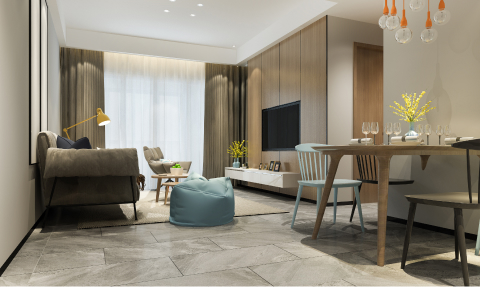

 Home
Home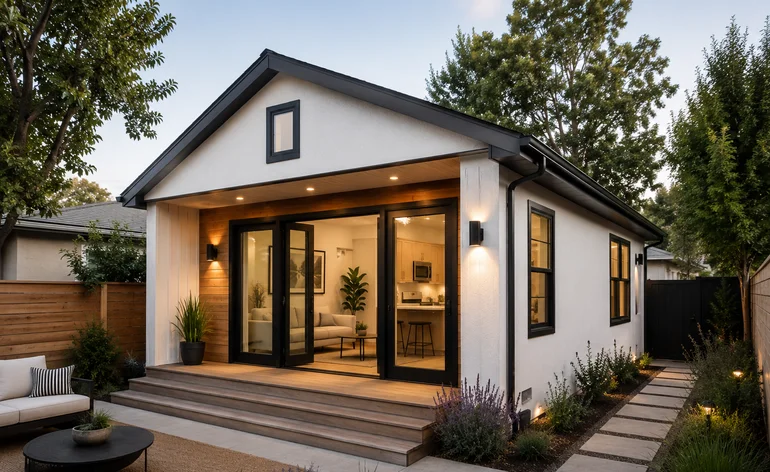

Adding an ADU can change the way a property works without requiring a move. For homeowners who need more room, more flexibility, or a better use of their lot, an accessory dwelling unit can create a practical answer. It can be a separate space for family, a more private place for guests, a rental opportunity, or simply a better long-term layout for changing household needs.
A well-designed San Jose ADU project is not just about adding square footage. It is about creating useful living space that fits the property, supports everyday life, and feels intentional from the start. Done well, an ADU can expand how a home functions while giving homeowners more options for the future.
Unlike a standard interior remodel, an ADU usually involves a wider set of planning decisions. You are not just updating a room. You are creating a separate living area with its own layout, circulation, and daily-use needs. That makes early planning especially important.
What Counts as an ADU
An ADU is a secondary living space on the same property as a primary home. While the exact form can vary, the idea stays the same: it is a self-contained residential space designed for everyday use.
An accessory dwelling unit may take different forms, such as:
- A detached backyard unit
- An attached addition connected to the main home
- A garage conversion ADU
- A conversion of existing interior space, where appropriate
- A smaller unit designed for compact, efficient living
Because the form can vary so much, the planning process should begin with the property itself. The lot, the existing structures, and the goals for the new space all shape what kind of ADU makes the most sense.
Why Homeowners Consider an ADU in the First Place
Not every home needs a major addition, and not every family wants to relocate. In many cases, the better choice is to improve the property you already have. That is one reason ADUs have become such a meaningful service category in this market.
Homeowners often explore an accessory dwelling unit in San Jose for reasons like these:
- Creating independent space for extended family
- Making room for adult children or aging parents
- Adding guest accommodations with more privacy
- Building a rental unit for long-term income potential
- Using the property more efficiently
- Separating work, living, or hosting space from the main home
- Increasing flexibility for future needs
An ADU can be a practical response to life changes. It can help a household stay on the same property while making the overall setup more functional.
ADU Planning Starts with the Property, Not Just the Idea
It is easy to get excited about finishes and floor plans, but the first stage of an ADU project is more foundational. A good plan looks at the site as a whole before focusing on design details.
That usually means thinking through:
- How the new unit will sit on the lot
- How much privacy should exist between structures
- How people will enter and move around the space
- How the ADU will relate to outdoor areas
- How the unit can feel independent without feeling disconnected
- What size and configuration support the intended use
A detached ADU may offer more privacy and separation. An attached unit may feel more integrated with the main home. A garage conversion may make sense when existing space can be repurposed efficiently. The right direction depends on the property and the goals behind the project.
Different ADU Uses Shape Different Design Choices
A backyard home office or guest suite will not be planned the same way as a full-time living space for family or a rental setup. The intended use affects nearly every design decision.
For example, an ADU meant for family living may prioritize:
- A comfortable bedroom layout
- Easy bathroom access
- Better storage
- A practical kitchen or kitchenette
- More privacy between the ADU and the main house
A rental-focused unit may place more emphasis on:
- Efficient use of square footage
- Durable, low-maintenance materials
- Clear separation from the primary residence
- Strong everyday functionality
- A layout that feels complete even at a smaller size
A guest-oriented ADU may focus on comfort, simplicity, and independence for short stays.
That is why a strong San Jose ADU project begins by defining the purpose clearly. Once that is established, the design becomes much easier to shape.
Detached ADUs, Attached ADUs, and Garage Conversions
Not all ADUs solve the same problem in the same way. Each type has different strengths, and the best fit depends on the site and how the space will be used.
Detached ADU
As it has already been mentioned above, a detached unit is often chosen when privacy is a top priority. It creates a separate structure that can feel more independent from the main home.
Possible advantages include:
- Greater separation and privacy
- Flexible layout opportunities
- Better distinction between households
- Stronger sense of independent living space
Attached ADU
An attached unit can work well when homeowners want additional living space that still feels connected to the main house.
This option may be appealing for:
- Multigenerational living
- Easier access between spaces
- A more integrated property layout
- Homes where attachment makes better use of the lot
Garage Conversion ADU
A garage conversion can be an efficient way to create livable space from an existing structure.
This type of ADU may be attractive when:
- The garage is underused
- The existing footprint supports conversion
- Homeowners want to avoid adding a completely new structure
- The property benefits from repurposing rather than expanding outward
Each option has tradeoffs. The goal is not to force one type of unit onto every property. The goal is to find the version that fits the site, the household, and the long-term plan.
The Best ADUs Feel Small in Size, Not in Function
A good ADU in San Jose does not need to be large to feel complete. The most successful designs make careful use of every square foot. They avoid wasted circulation, add storage where it matters, and create rooms that feel purposeful rather than cramped.
To make a smaller unit live well, design often focuses on:
- Open but defined living areas
- Efficient kitchen planning
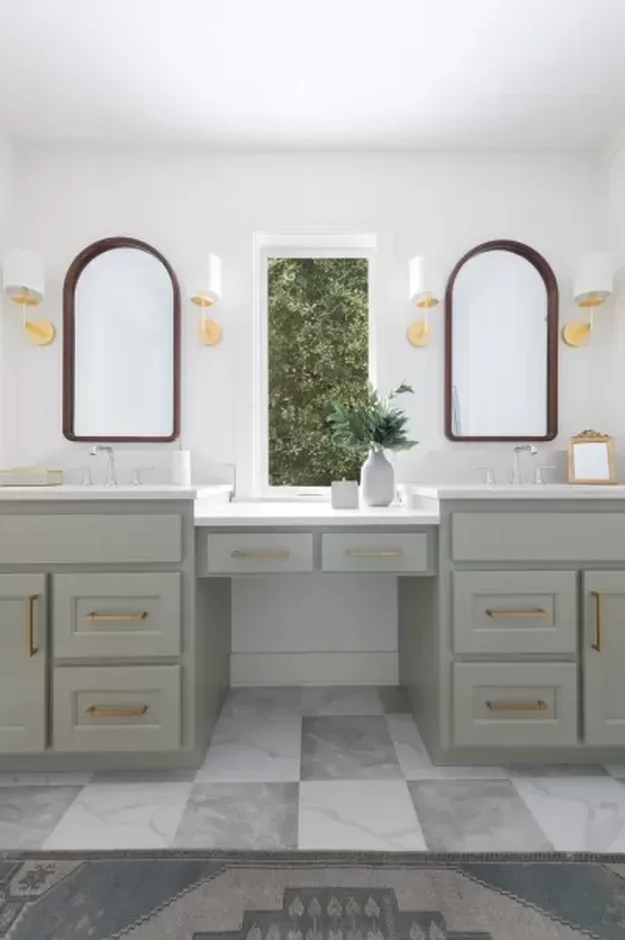
- Bathroom layouts that save space without feeling tight
- Storage built into everyday-use areas
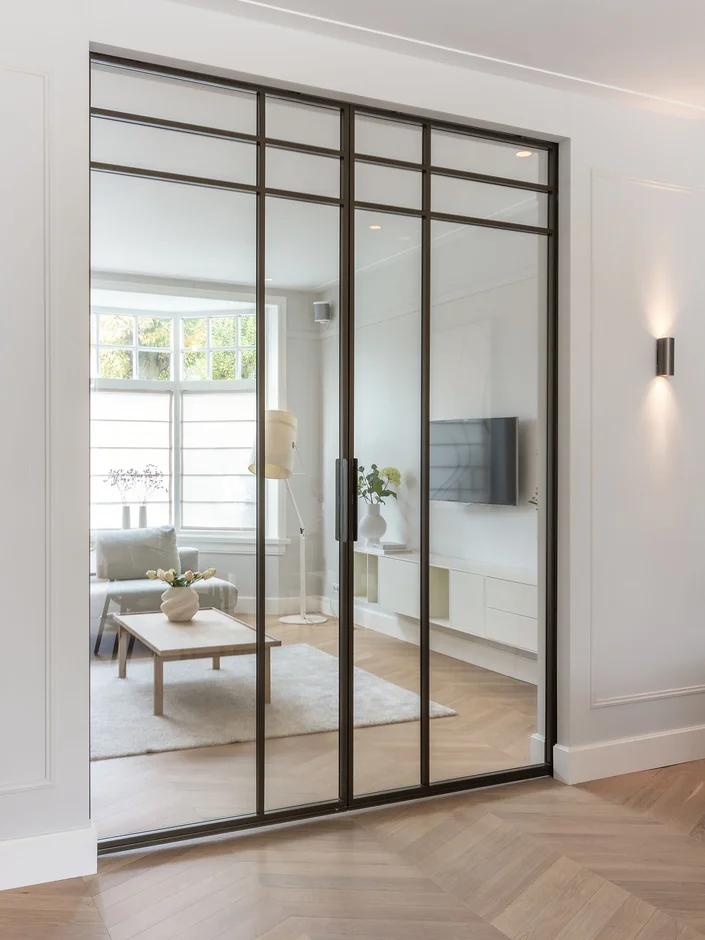
- Light and sightlines that make the unit feel more open
- Practical furniture placement from the beginning
In smaller accessory dwelling units, the details matter. A doorway placed slightly differently, a more efficient kitchen wall, or better integrated storage can have a major effect on comfort.
A Livable ADU Needs More Than a Floor Plan
Creating an ADU is not just a matter of fitting rooms together. The space should support real daily routines. That means looking at how someone will cook, sleep, store belongings, relax, and move through the unit comfortably.
Important livability considerations often include:
- Natural light
- Privacy from the main house
- Sound separation where possible
- Comfortable kitchen and bathroom use
- Storage that prevents clutter
- Durable finishes for long-term upkeep
- A layout that feels intuitive and easy to use
Even in a compact unit, those elements matter. Homeowners tend to be happiest with ADUs that feel settled and usable, not just technically complete.
The Importance of ADU and Main House Integration
One of the most important parts of ADU design is how the new unit fits into the overall property. The space between buildings, the location of paths and entrances, and the balance between privacy and connection can all shape the final result.
A thoughtful site plan may consider:
- Whether the ADU should feel more separate or more integrated
- How outdoor space is shared or divided
- Where windows and doors should face
- How the unit affects the use of the yard
- How the new structure complements the existing home
This is one reason ADU is different from a standard remodeling project. The success of the unit depends not only on the interior, but also on how it sits within the property as a whole.
Start with a Smarter Remodeling Budget

Balancing Appearance and Durability
Whether the unit is for family, guests, or rental purposes, materials should be selected with durability and maintenance in mind. Smaller spaces feel better when they stay clean, wear well, and remain easy to maintain.
Useful priorities often include:
- Flooring that handles regular use well
- Finishes that are easy to clean
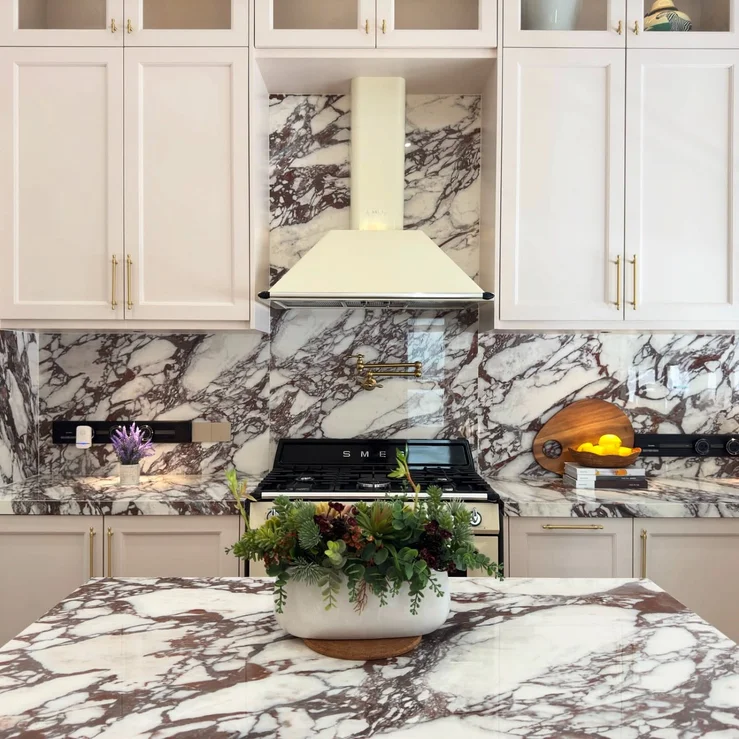
- Kitchen and bath materials chosen for durability
- Storage solutions that reduce clutter
- Fixtures that feel simple and practical
- A design direction that stays appealing over time
This does not mean the unit has to feel plain. It means the design should balance appearance with day-to-day performance.
How to Keep an ADU Project Grounded and Practical
Because San Jose ADUs are exciting projects, it is easy for ideas to expand quickly. The best way to keep the process manageable is to return to the core goals of the unit.
It helps to stay focused on:
- Who will use the space
- How often it will be occupied
- What level of privacy is needed
- Which features matter most
- How the new unit should support the property as a whole
- What choices will improve long-term comfort and usability
When those priorities stay clear, the project tends to feel more cohesive and more useful once complete.
What to Expect from an ADU Builder or Contractor
Homeowners looking for ADU builders in San Jose are usually not just looking for construction help. They are looking for guidance through a more layered planning process. Because ADU projects involve site considerations, layout questions, and multiple decision points, clear communication matters.
A strong ADU contractor should help make sense of:
- The best unit type for the property
- How the intended use affects the layout
- What features should be prioritized
- How to keep the project practical and focused
- How the ADU will connect to the rest of the property
- What the next steps look like as planning moves forward
That clarity helps homeowners make better decisions early, which usually leads to a stronger overall result.
Planning an ADU That Delivers Long-Term Value
Considering a San Jose ADU? The best point to start is with the property and the purpose. Look at how the space would be used, what level of independence it needs, and how it should fit into the lot overall.
From there, the project can be shaped around livability, efficiency, and long-term usefulness. Whether you are exploring a detached unit, an attached addition, or a garage conversion ADU, the goal should be the same: create a space that works well now and still makes sense in the years ahead.
If you're ready to explore your options, connect with our team to discuss your goals, review your property, and take the first step toward a well-planned ADU project.
FAQ
What is the main benefit of building an ADU?
An ADU adds flexible living space that can be used for family, guests, rental purposes, or changing household needs.
Is a detached ADU better than an attached one?
Not always. A detached unit offers more privacy, while an attached ADU can work better for some layouts and family situations.
Can a garage be turned into an ADU?
In many cases, a garage conversion can be a practical way to create an accessory dwelling unit from existing space.
What should I decide before planning an ADU layout?
Start by defining who will use the space and how it will be used, since that shapes the layout and priorities.
Does an ADU need to feel large to be comfortable?
No. A smaller ADU can feel very comfortable when the layout, storage, and daily-use details are planned carefully.
Can an ADU be designed for different uses over time?
Yes. A well-planned ADU can serve as family housing, guest space, a home office, or a rental unit as your needs change.