Online

 Home
Home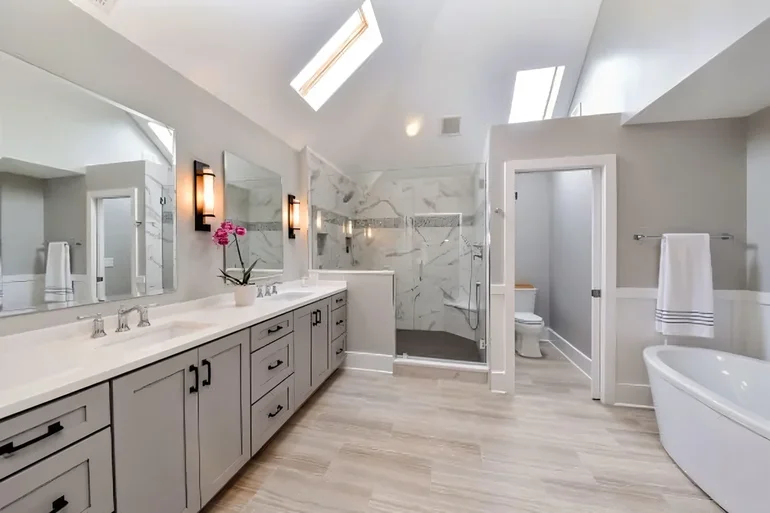

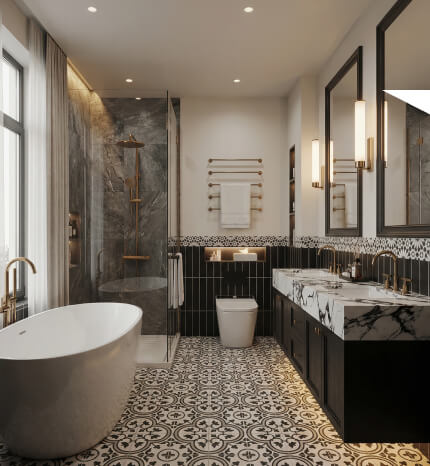
A carefully designed bathroom does more than look polished. It helps the room feel easier to use from the moment you step into it. The layout makes sense. Storage feels intentional. Lighting supports daily routines instead of working against them. Surfaces feel coordinated rather than crowded. Even in a compact space, strong design can create a calmer, more functional experience.
That is why many homeowners begin with design instead of materials. The design stage gives shape to the project before too many finish decisions start competing for attention. It helps answer practical questions about how the room should function, how open it should feel, where storage belongs, and which choices will support the look and use of the space in the long term.
A qualified bathroom designer in San Jose can help homeowners think more clearly about these details before construction begins. That planning process matters because bathrooms ask a lot from a relatively small footprint. They need to feel comfortable, organized, durable, and visually balanced all at once. Without a strong plan, even expensive materials can end up in a room that still feels awkward.
Bathroom Design Priorities
Design planning should begin with the underlying goals of the room. Some homeowners want a bathroom that feels more open and less dated. Others need better storage, more comfort, or a layout that supports two people using the space at the same time. A clear design process helps separate surface wishes from the changes that will make the biggest difference.
Common priorities often include:
- Better flow around the vanity, toilet, and shower
- Stronger storage without adding visual clutter
- Improved lighting for morning and evening routines
- A more open or less cramped feel
- Better use of wall space and vertical space
- Finishes that feel calmer and more cohesive
- A design direction that suits the rest of the home
These priorities shape every later decision. The room becomes easier to design once the practical goals are clear.
Layout Planning as an Important Aspect of a Design Process
Bathroom design is often won or lost in the layout. Even a beautiful room can feel frustrating if circulation is tight, fixtures are awkwardly placed, or the space feels off-balance from the moment you walk in. That is why layout should be one of the first things addressed.
A strong bathroom layout considers:
- How the door swing affects the room
- How much clearance exists around the vanity and toilet
- Whether the shower or tub dominates too much space
- How movement feels at busy times of day
- Whether the room feels narrow, boxed in, or underused
- How sightlines affect the first impression of the bathroom
Good layout design does not always require a complete reconfiguration. Sometimes it comes from refining proportions, reducing visual bulk, or changing how the largest elements relate to each other.
Vanity and Storage Planning
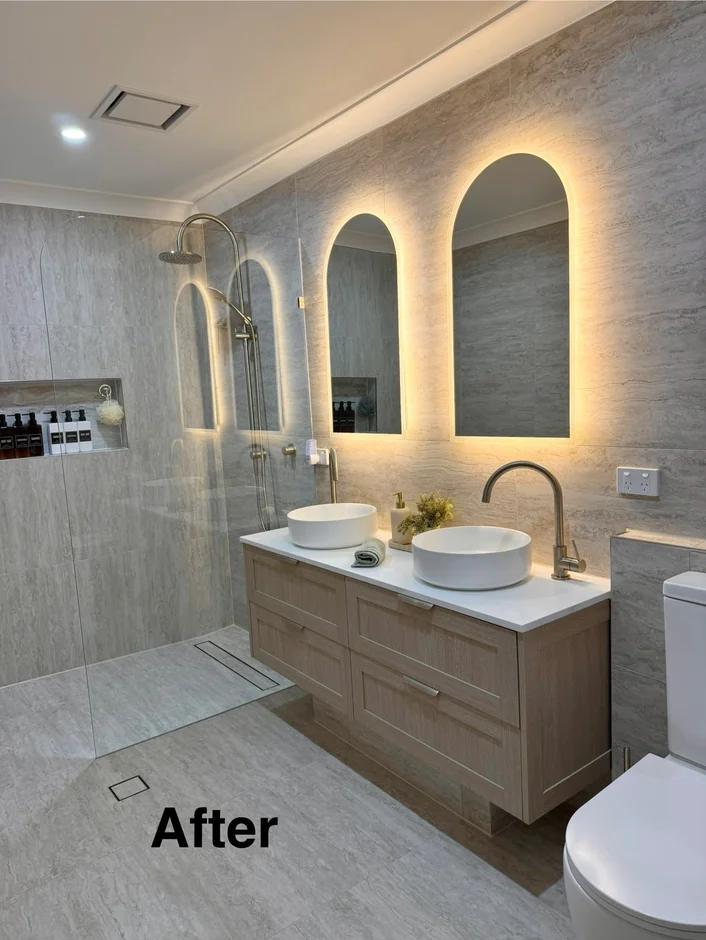
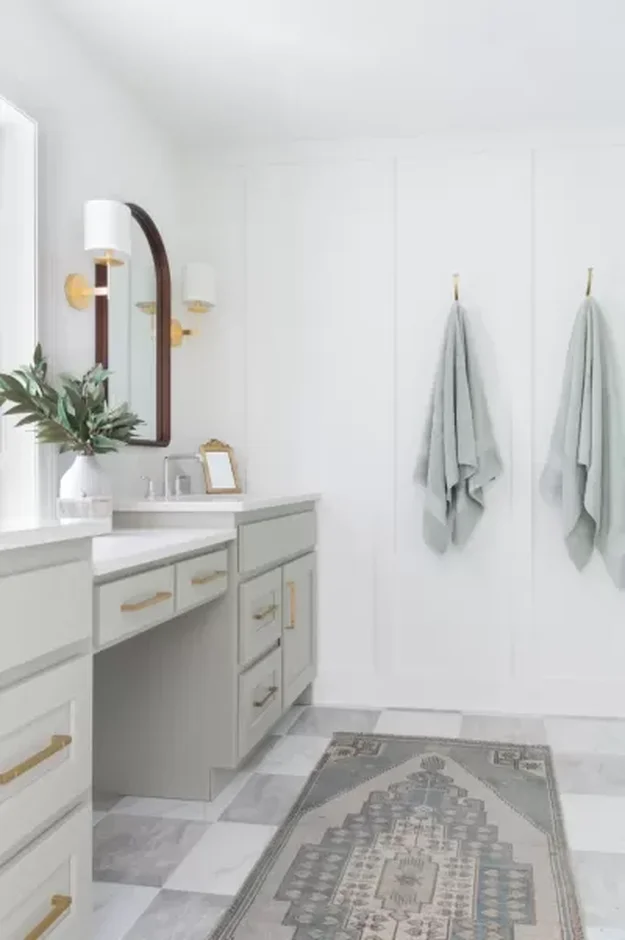
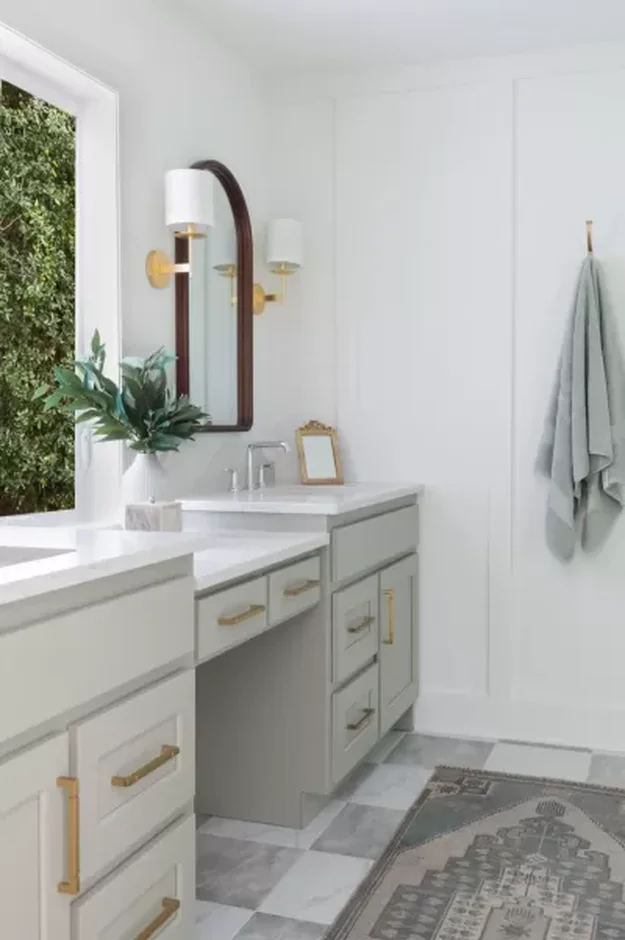
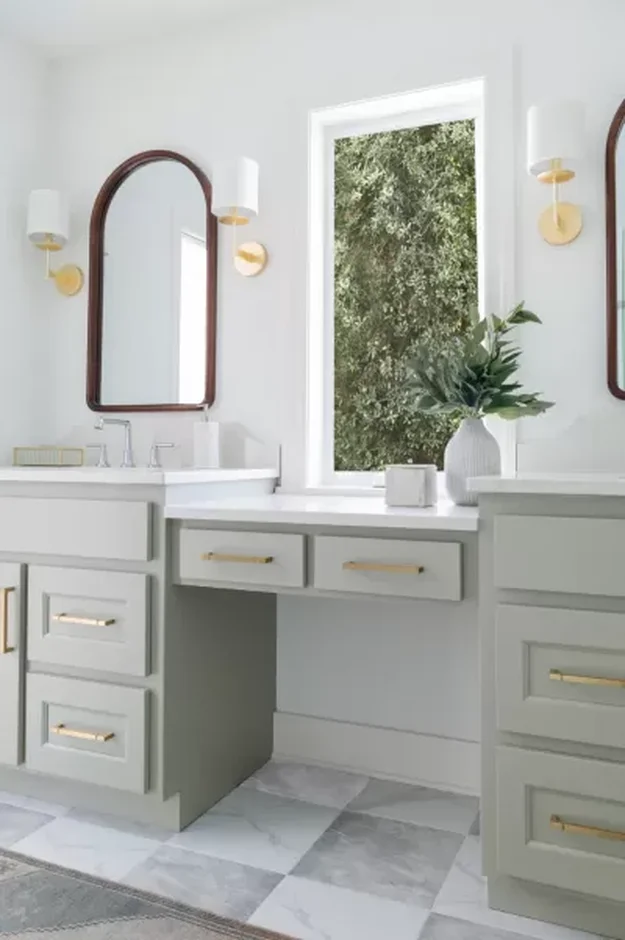
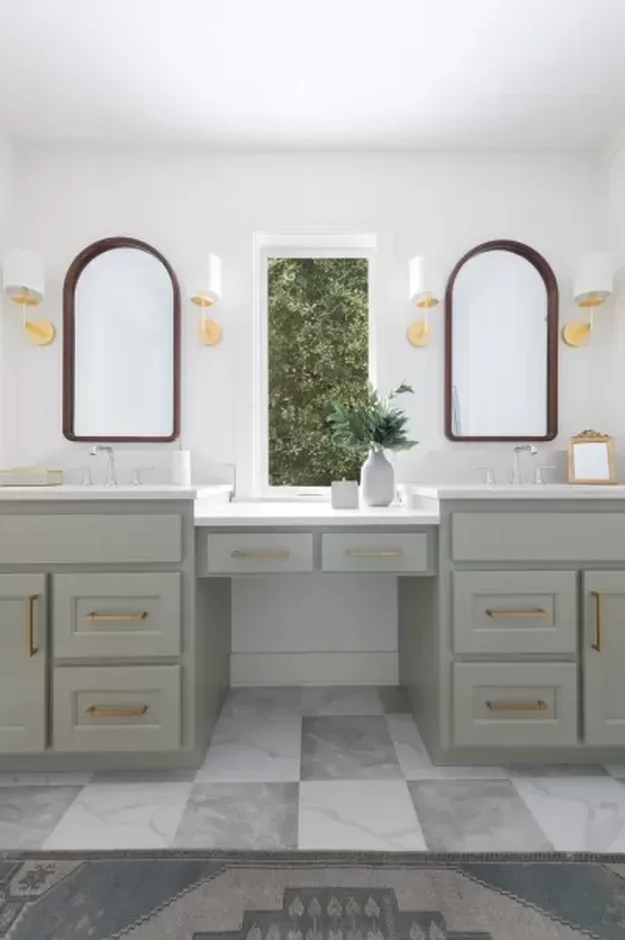
The vanity often anchors the entire bathroom, both visually and functionally. It affects storage, countertop space, sink placement, and how the room feels at first glance. Poor vanity planning can leave the bathroom looking cluttered and performing poorly, even when the rest of the design is strong.
A better storage and vanity strategy may focus on:
- Drawer storage instead of harder-to-reach cabinet space
- Counter space that supports daily use
- Better organization for toiletries and personal items
- Visual balance between storage and openness
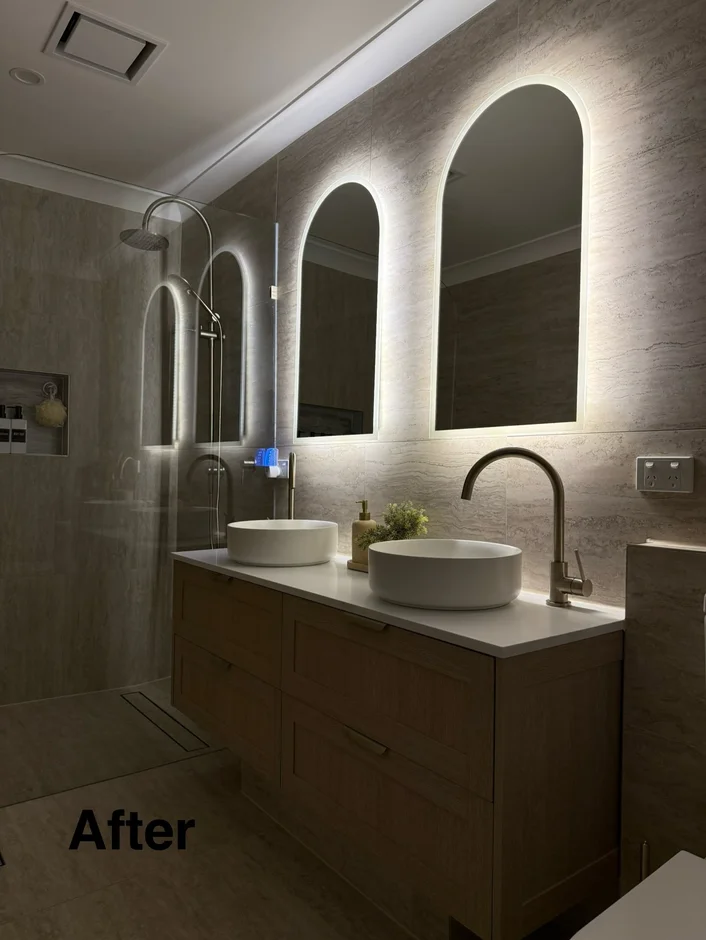
- Mirror and lighting placement above the vanity
- A vanity scale that fits the room instead of overwhelming it
Storage should support routines without making the bathroom feel heavier. That balance is one of the most important parts of bathroom design.
Shower and Tub Design
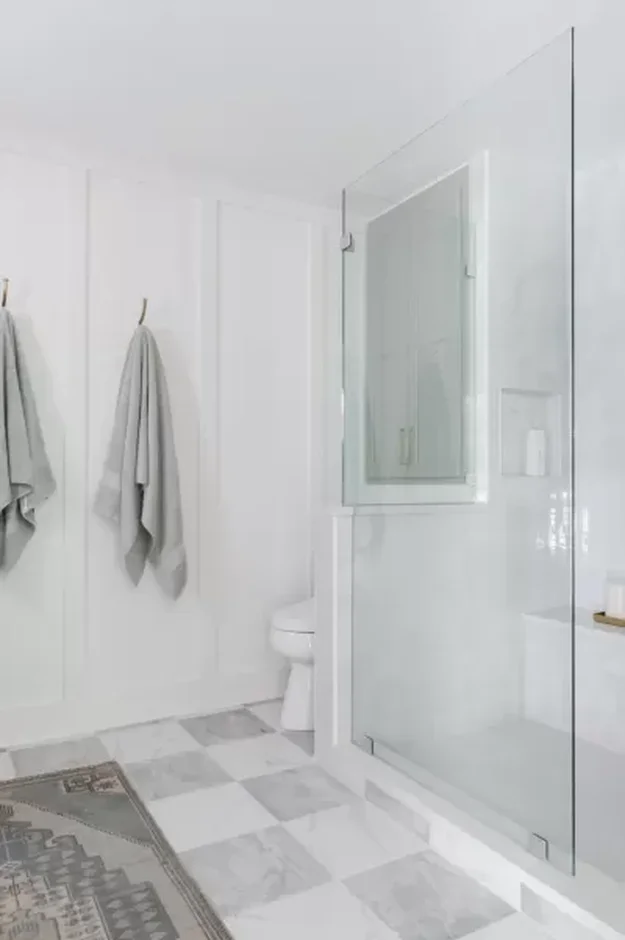
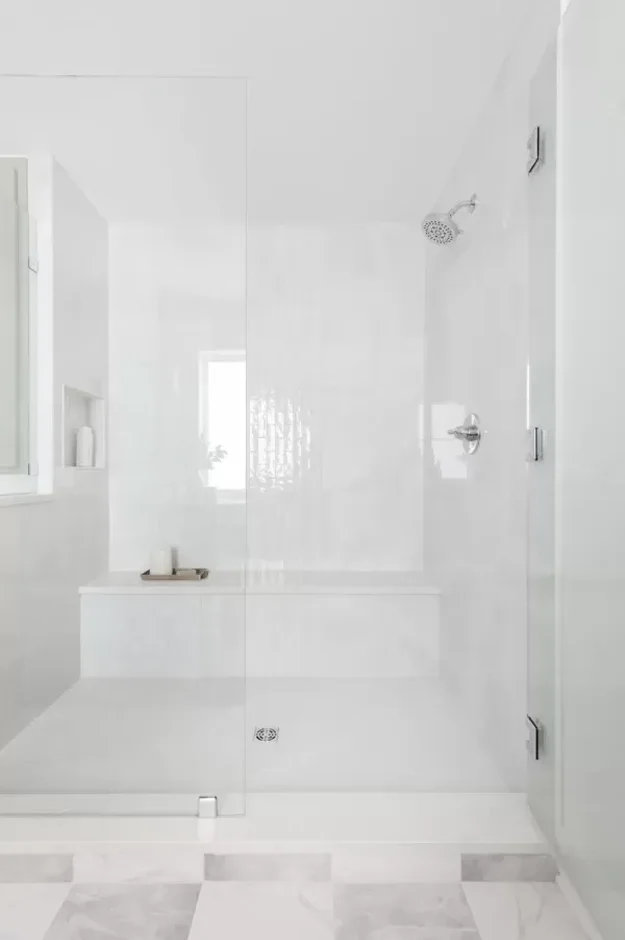
A bathroom designer also has to think carefully about the bathing zone, because the shower or tub often controls both function and visual weight in the room. In some bathrooms, the right move is to make the shower feel more open. In others, the room may benefit from a tub-to-shower conversion, a better enclosure choice, or a more integrated relationship between the wet area and the rest of the design.
Important considerations may include:
- Whether a shower or tub matches current household habits
- How much space the enclosure takes visually
- Whether glass helps the room feel more open
- How tile layout affects the sense of scale
- Where niches, ledges, or built-in storage should go
- How to create comfort without overcomplicating the design
A well-designed shower or tub area should feel intentional, not like the biggest object in the room fighting against everything else.
Material Coordination
Bathrooms use many surfaces in a small area, which makes coordination especially important. Tile, vanity finishes, counters, fixtures, mirrors, flooring, and paint all sit close together. If those elements are selected without a clear design plan, the room can feel visually busy very quickly.
Good material planning usually means thinking about:
- Whether the room should feel warm, soft, crisp, or more classic
- How many finish statements the room can realistically support
- Which surfaces should stand out and which should stay quieter
- How to create contrast without clutter
- Which materials are easiest to maintain
- How the palette affects the size and mood of the room
The best bathroom designs usually feel resolved because the material choices relate to one another rather than compete for attention.
Start with a Smarter Remodeling Budget

Lighting Strategy
Lighting is one of the most overlooked parts of bathroom design, yet it has a major effect on comfort and usability. A bathroom can have attractive finishes and still feel disappointing if the light is uneven, harsh, or poorly positioned around the mirror.
A thoughtful lighting strategy often includes:
- Even general lighting for the room overall
- Better vanity lighting for grooming and daily routines
- Accent or secondary lighting where appropriate
- Placement that reduces shadowing at the mirror
- A balance between brightness and warmth
Lighting should make the bathroom feel easier to use, not just brighter. When planned well, it also supports the visual calm of the design.
Design for Small Bathrooms
Small bathrooms often benefit the most from design planning because every inch matters more. In tighter spaces, the wrong vanity depth, a bulky enclosure, or too many competing materials can make the room feel smaller than it already is. Good design can make a compact bathroom feel cleaner, more open, and more capable.
In smaller bathrooms, design may emphasize:
- Cleaner sightlines
- Simpler material transitions
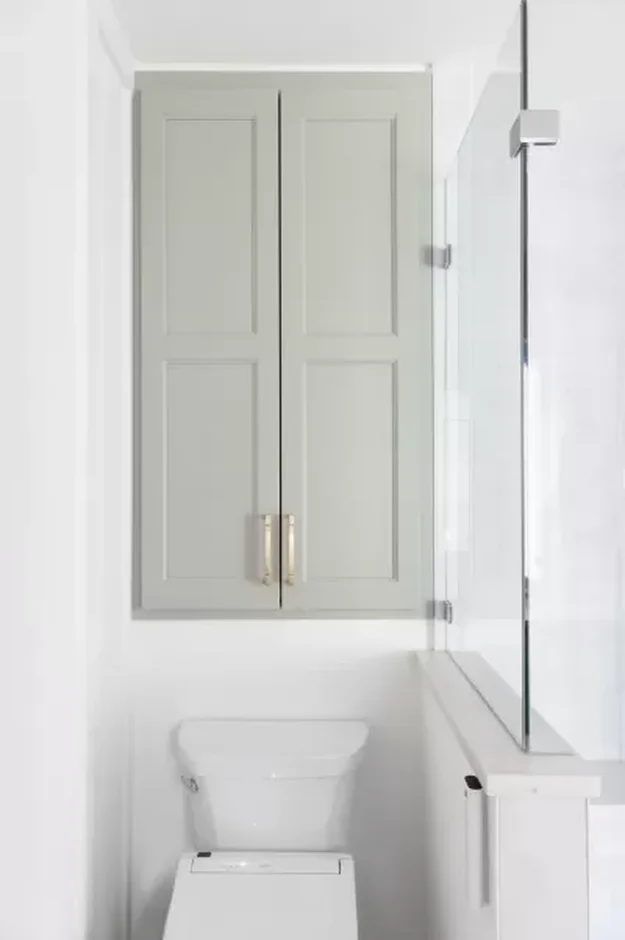
- Storage that is built in rather than added on
- Lighter visual weight in major fixtures
- Better use of vertical surfaces
- Choices that reduce crowding around the floor area
A small bathroom does not need to feel limited if the planning is disciplined and the room is designed around how it is actually used.
Design for Shared Bathrooms
Some bathrooms need to support more than one user consistently. That changes the design priorities. A shared bathroom has to work harder in terms of storage, flow, and routine support. It may need more organized vanity space, stronger lighting, and a layout that reduces friction during busy parts of the day.
Useful shared-bathroom design priorities may include:
- More efficient vanity organization
- Better countertop management
- Clearer movement through the room
- Stronger storage for multiple users
- Better lighting coverage
- Finishes that are durable and easy to maintain
The room should feel organized even when daily use is not perfectly tidy.
Visual Calm and Simplicity
One of the strongest outcomes of good bathroom design is visual calm. Bathrooms are often used at the beginning and end of the day, so the room benefits from feeling settled rather than overstimulating. That does not mean the design has to be plain. It means the elements should work together clearly.
Visual calm often comes from:
- Limiting unnecessary material changes
- Using repetition intentionally
- Keeping storage integrated
- Choosing a consistent finish direction
- Avoiding too many focal points in a small room
- Letting function shape the strongest design moves
A bathroom that feels calmer often feels more refined, even when the material palette itself is simple.
Connection to the Rest of the Home
A bathroom should not feel disconnected from the home around it. Even if it has a distinct personality, it still needs to fit with the broader visual language of the house. That is especially important in primary suites and hall bathrooms that connect directly to bedrooms or shared living areas.
Design should consider:
- How the bathroom relates to adjacent rooms
- Whether finish choices feel too separate from the rest of the house
- How color and material direction transition across spaces
- Whether the bathroom feels updated in a way that still belongs
This kind of continuity often makes the finished result feel more polished and more natural.
Common Design Challenges
Many homeowners know they want a better bathroom, but the design stage can be harder than expected because the room has so many competing demands. A bathroom has to be practical, attractive, durable, and compact all at once. Without a clear design plan, it is easy to make disconnected choices or focus too heavily on one part of the room while neglecting another.
Common design challenges include:
- Trying to fit too much into a limited footprint
- Choosing finishes before the layout is resolved
- Adding storage that makes the room feel heavier
- Prioritizing style while overlooking usability
- Making the room too busy visually
- Keeping the bathroom cohesive with the rest of the home
That is why bathroom design services can be valuable even before a full remodel moves ahead. Good planning reduces confusion and gives the project a stronger foundation.
The Value of Design before Construction
A thoughtful bathroom design plan helps more than the finished appearance. It makes the project easier to understand, easier to prioritize, and easier to shape with confidence. Instead of reacting to decisions one by one, homeowners can work from a clearer overall direction.
A strong bathroom design can help you:
- Improve the way the room functions
- Make storage feel more intentional
- Create a cleaner visual result
- Reduce layout frustrations
- Build a bathroom that feels more comfortable and complete
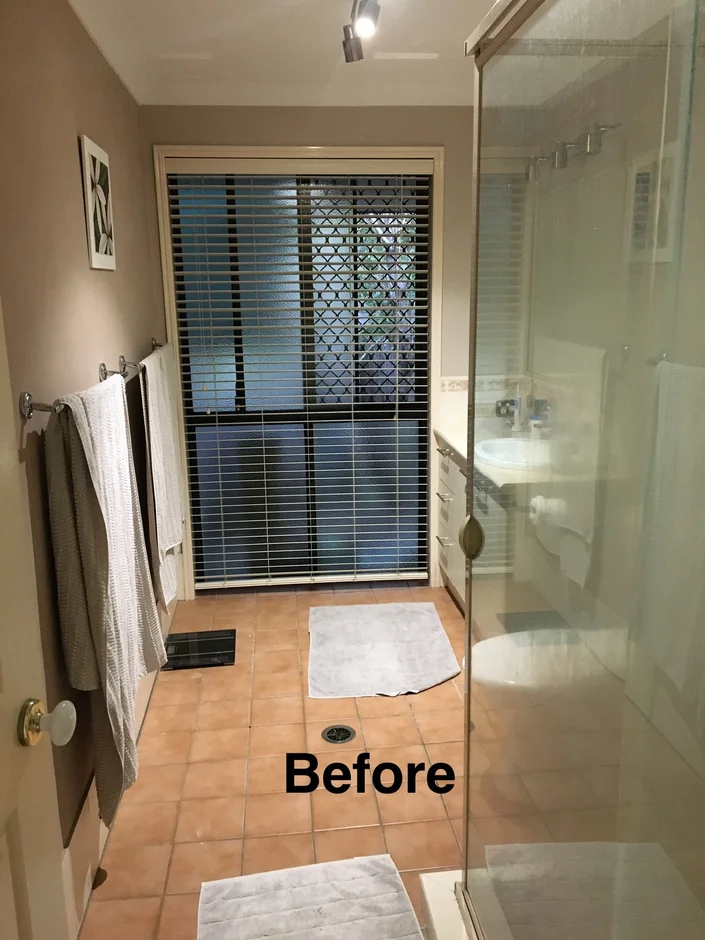
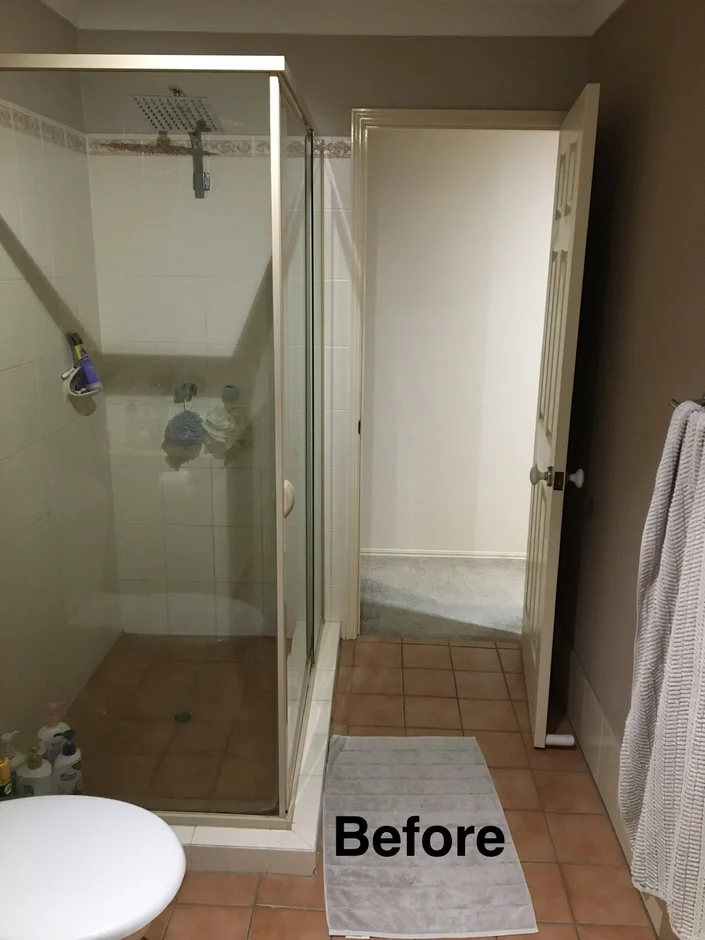
If your current bathroom feels cluttered, dated, or less comfortable than it should be, design is often the right place to start, and we are ready to help you. A detailed plan can turn the room into something more useful, more balanced, and much easier to enjoy every day.
If you're thinking about improving your bathroom but aren't sure where to begin, contact our team for guidance. Take the first step toward creating a more functional and comfortable space.
FAQ
What does a bathroom designer usually help with?
A bathroom designer in San Jose can help with layout planning, storage strategy, material coordination, lighting ideas, and the overall direction of how the room should look and function.
Do I need a bathroom designer before remodeling?
Not always, but design planning can make the remodel more organized and help avoid layout or material decisions that do not work well together.
Can bathroom design improve storage without making the room feel crowded?
Yes. Smart vanity planning, built-in storage, and better use of wall space can improve organization while keeping the room visually cleaner.
Is bathroom design mostly about appearance?
No. Good bathroom design also focuses on movement, comfort, lighting, storage, and how the room supports daily routines.
How do I know if my bathroom layout should change?
If the room feels cramped, awkward to move through, or difficult to use comfortably, the layout may need more than a simple finish update.
Can bathroom design help before I decide on materials?
Yes. In fact, it usually works better to clarify layout, function, and overall direction first so material choices support the plan instead of leading it.