Online

 Home
Home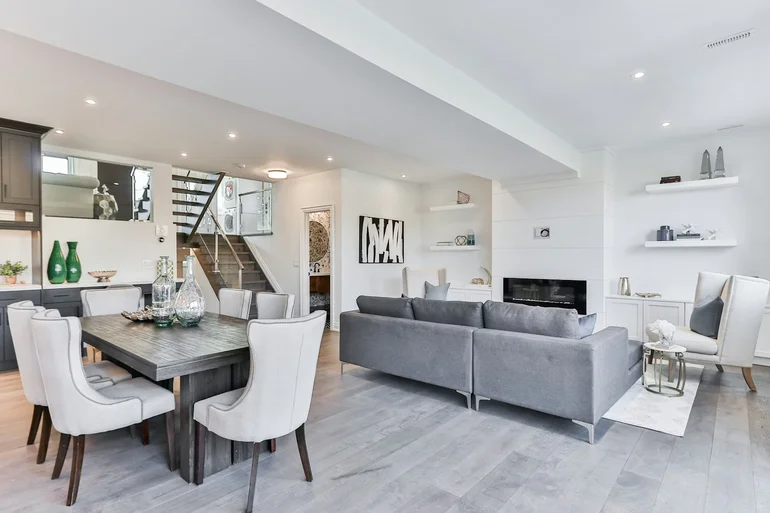

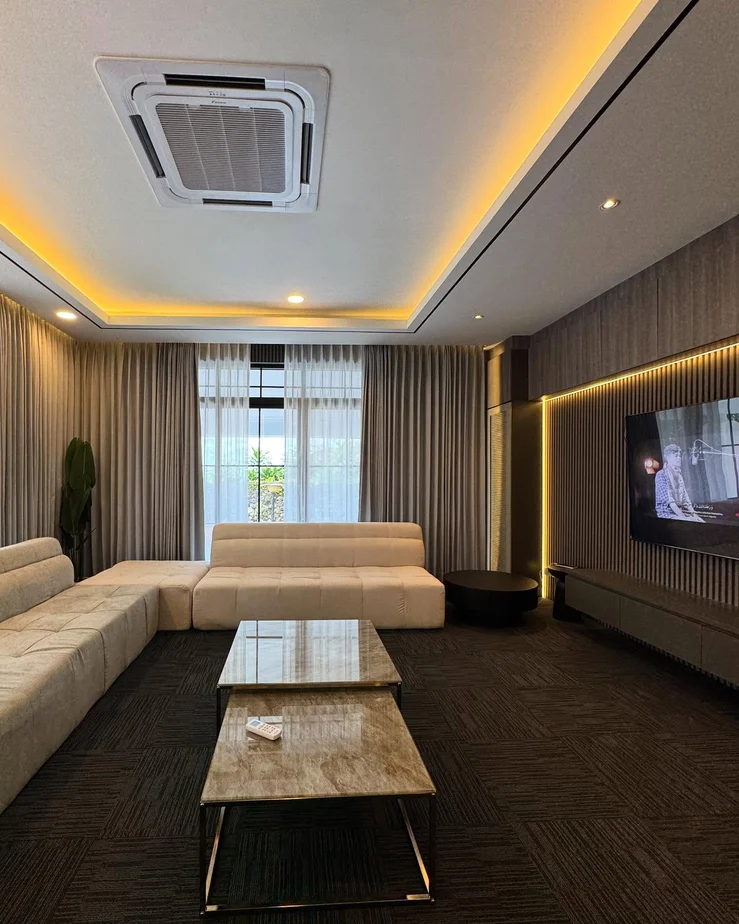
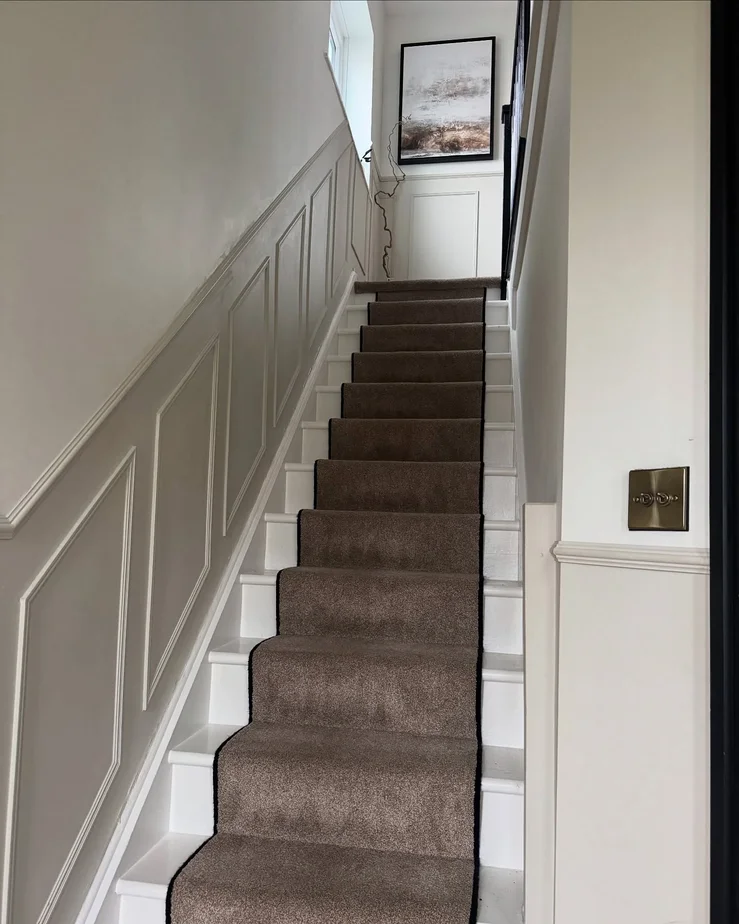
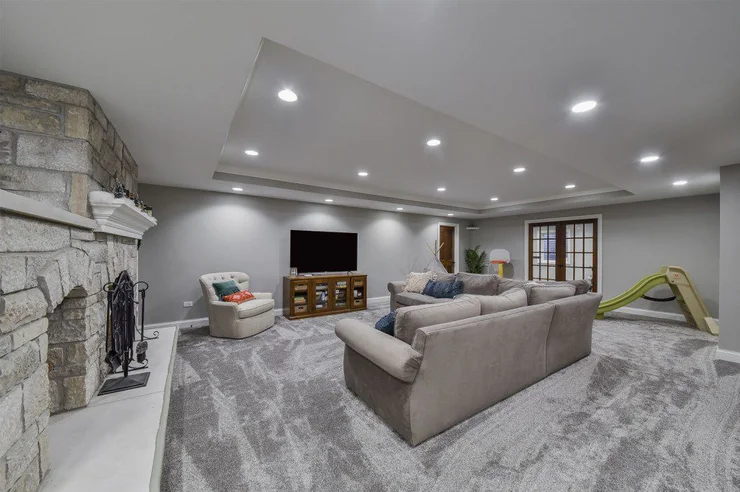
A home can be full of good individual rooms and still not feel right as a whole. The kitchen may be updated, but the living areas still feel disconnected. One bathroom may work better, but the rest of the house still feels dated. Storage may be missing in several places at once. The floor plan may no longer fit the way your household lives today.
That is where a whole house remodel can make a meaningful difference.
Instead of improving one isolated room at a time, a whole-home remodeling project looks at the property more comprehensively. It solves bigger questions about how the house functions, how spaces connect, and what should be altered to make daily life easier, more comfortable, and more cohesive. For many homeowners, that broader approach leads to better long-term results than piecemeal updates spread out over many years.
A whole house remodel in San Jose is often not about making the home feel bigger just for the sake of size. It is about making the entire home feel more logical, more livable, and more aligned with the way people actually move through it each day. When planned well, the result is not just a series of nicer rooms. It is a home that feels more complete from front to back.
When Room-By-Room Updates Are not Enough
Single-room projects can be useful, but they do not always solve broader problems. Over time, homes that are remodeled in fragments can start to feel visually inconsistent or uneven in quality.
With a larger project, you are not only changing one space. You are evaluating how rooms relate to each other, how design decisions carry through the home, and how one improvement affects the next.
A whole-home remodel may make sense when:
- Multiple rooms need attention at the same time
- The home feels outdated in a consistent way
- The layout creates friction in daily life
- Storage issues appear across several spaces
- Finishes and styles feel disconnected from one another
- The house no longer supports current household needs
- Improving one area at a time would leave larger issues unresolved
This kind of project is especially useful when the real goal is not only to refresh surfaces, but to rethink how the home works as a connected environment.
The Goal Is Cohesion, Not Just Change
A successful whole-home remodel should not feel random or overly busy. One of its biggest advantages is the ability to create consistency. That does not mean every room needs to look identical. It means the home should feel like it belongs to itself.
Cohesion often comes from decisions such as:
- A clearer overall design direction
- Better transitions between rooms
- More consistent flooring and trim choices
- Lighting that feels balanced across the home
- A thoughtful relationship between open and private spaces
- Materials and finishes that work together rather than compete
When these aspects are considered as a part of one larger vision, the finished home tends to feel calmer, more polished, and easier to enjoy. The improvement is not just visual. It changes how the house feels to live in every day.
Addressing Layout Challenges Throughout the Home
Many older or poorly adapted homes carry layout issues that only become more frustrating over time. Hallways may be wasted space. Main living areas may feel disconnected. Bedrooms may be placed in ways that reduce privacy. Everyday circulation may be awkward, even if the rooms themselves are acceptable.
A whole house remodel gives homeowners the chance to address those concerns more directly.
This may involve rethinking:
- How people enter and move through the home
- Whether shared spaces are connected in the right way
- Which rooms should feel more open
- Which areas need better separation
- How daily routines overlap across the house
- Whether certain spaces are underperforming
These points show why whole-home remodeling can feel so transformative. It addresses the structure of daily life, not just the surface appearance of the property.
Priorities Matter More Than Square Footage Alone
Whole-home projects can be exciting because they open up more possibilities. But they can also become unfocused if homeowners try to solve everything at once without clear priorities. Not every room needs the same level of change, and not every issue has the same impact on everyday life.
A stronger approach is to identify where the remodel can create the most meaningful improvement.
That may include prioritizing:
- The most-used shared spaces
- Rooms with the biggest functional issues
- Areas that create the most visual inconsistency
- Storage problems that affect daily routines
- Layout changes that improve multiple rooms at once
- Finishes that help unify the home overall
Such an approach helps the remodel stay useful. It turns the project into a thoughtful reworking of the house rather than a broad but shallow update.
Balancing Immediate Needs and Future Goals
Some homeowners remodel because the house feels dated. Others remodel because family needs have changed. Many are responding to both at once. A home that once worked for a smaller household, a different schedule, or a different phase of life may no longer feel like the right fit.
Whole-home remodeling is often most effective when it looks ahead as well as at the present.
That can mean planning for:
- A household that needs better shared space
- More privacy between family members
- Better flexibility for guests or work-from-home routines
- Easier upkeep over time
- A layout that feels relevant for the next stage of living
This longer view often makes the investment feel more worthwhile. The remodel is not just about correcting what feels off now. It is about shaping a home that continues to support the household going forward.
Essential Infrastructure Upgrades for a Whole-Home Remodel
A whole-home remodel is not only about finishes, layout, and appearance. It is also a smart time to look at the systems that keep the home functioning safely and efficiently. When several areas are being updated at once, reviewing core infrastructure can help prevent future disruptions and support better long-term performance.
Important upgrade areas often include:
- Electrical: Updating wiring, outlets, panels, and lighting support for modern household needs
- Plumbing: Replacing aging pipes, improving water flow, and preparing kitchens, bathrooms, or laundry areas for new layouts
- HVAC: Reviewing heating and cooling performance, airflow, and equipment capacity for the updated home design
- Energy efficiency: Improving insulation, sealing problem areas, and considering more efficient systems or fixtures
Addressing these elements during a whole-house remodel can make the home more comfortable, more reliable, and better prepared for daily use. It also helps ensure that visual improvements are supported by the systems behind the walls.
The Emotional Impact of Whole-Home Remodeling
Function and layout are critical, but there is also a more personal side to a broader remodel. Homes that feel visually fragmented or operationally awkward can create a low-level sense of friction every day. Rooms may feel incomplete. Routines may feel more tiring than they should. The house may never quite feel settled.
A well-planned whole house remodel can help reduce that feeling by creating:
- More visual calm
- Better movement through shared areas
- More predictable organization
- Stronger comfort in day-to-day routines
- A better balance between openness and privacy
- A home that feels more finished and intentional
That is why whole-home remodeling can have such a broad impact. It changes not just how the house looks, but how it supports the people living in it.
The Value of Simplicity in Home Design
Because larger remodels involve more rooms and more decisions, there can be a temptation to add too much. Too many materials, too many feature moments, or too many competing design ideas can make the finished home feel less unified instead of more.
Simplification is often one of the most valuable parts of the design process.
That may mean:
- Removing unnecessary visual clutter
- Streamlining transitions between rooms
- Choosing fewer, stronger finish families
- Clarifying the role of each space
- Letting functional improvements lead the design
In larger projects, restraint often creates a better result than excess. A house that feels cohesive and easy to read usually ages better than one designed around too many separate ideas.
Start with a Smarter Remodeling Budget


Maintaining a Unified Remodeling Vision
Even when homeowners cannot or do not want to complete everything at once, a whole-home remodeling mindset can still be useful. Some projects are completed in stages, but they work best when those stages are guided by one overall plan.
Without that bigger framework, phased remodeling can lead to the same disconnected result that homeowners were trying to avoid in the first place.
A phased whole-home approach can work well when it includes:
- A clear order of priorities
- A consistent design direction from the beginning
- Material selections that support future phases
- Layout decisions made with the full home in mind
- Strong awareness of how one completed area affects the next
That kind of planning helps each phase feel like part of the same home, not a separate project with unrelated goals.
What to Expect from a Whole-Home Remodeling Process
A whole house remodel is a larger decision than a single-room renovation, so clarity matters from the beginning. Homeowners usually benefit from a process that starts with listening and planning rather than rushing into finish selections.
Early conversations should help define:
- What is no longer working across the home
- Which problems are functional and which are visual
- Where the biggest opportunities for improvement exist
- What should be preserved
- What level of change makes sense
- How the remodel should improve daily life overall
That planning stage is especially important because larger projects involve more tradeoffs. The goal is to make those tradeoffs intentionally, with the whole house in mind.
Bringing Your Entire Home Together
If your home feels partially updated, disconnected, or no longer aligned with your needs, a whole-home remodeling approach may be the right next step. Instead of solving one isolated issue, it gives you the opportunity to create a house that works better together in every important way.
Ready to explore the possibilities? Reach out to our San Jose whole house remodel team for project guidance and personalized recommendations. We'll help you evaluate your options and take the next step toward creating a home that better supports your lifestyle.
FAQ
What is considered a whole-house remodel?
It usually means remodeling multiple connected areas of the home as part of one larger plan rather than treating each room as a separate project.
How is a whole-home remodel different from renovating one room at a time?
A whole-home remodel focuses on layout, flow, and consistency across the house, which helps create a more unified result.
Do all rooms need to be fully changed in a whole-house remodel?
No. Some rooms may need major work, while others only need lighter updates that support the overall plan.
Is a whole-house remodel mainly about style?
No. It is also about improving circulation, function, comfort, storage, and how the home supports everyday routines.
Can a whole-home remodel be planned in phases?
Yes. Many homeowners phase the work, but it usually works best when all phases follow one clear design and layout strategy.
When does whole-home remodeling make the most sense?
It often makes sense when several parts of the home feel outdated, disconnected, or no longer suited to how the household lives now.